We often think of anxiety as a feeling, a whirlwind of worry swirling in our minds. And that’s certainly a big part of it. But what many people don’t realise is just how deeply anxiety can affect the body. It’s not just ‘in your head’. Your body is intricately connected to your mind, and when anxiety takes hold, it can manifest in surprisingly physical ways. Understanding these connections is a crucial step in managing anxiety and finding genuine relief.
The mind and body exist in constant communication. When you experience stress or anxiety, your nervous system responds by triggering the ‘fight or flight’ response. This response floods your body with hormones like adrenaline and cortisol, preparing you to face a perceived threat. While this system is designed to protect us, chronic anxiety can keep it activated for prolonged periods, leading to a range of uncomfortable and sometimes debilitating physical symptoms.
When Worry Whispers Through Your Body: Unveiling the Hidden Signs
Beyond the more commonly known anxiety symptoms like racing heart and sweating, there are other, less obvious ways anxiety can manifest physically. Recognising these signs is the first step in addressing them. Here are a few to be aware of:
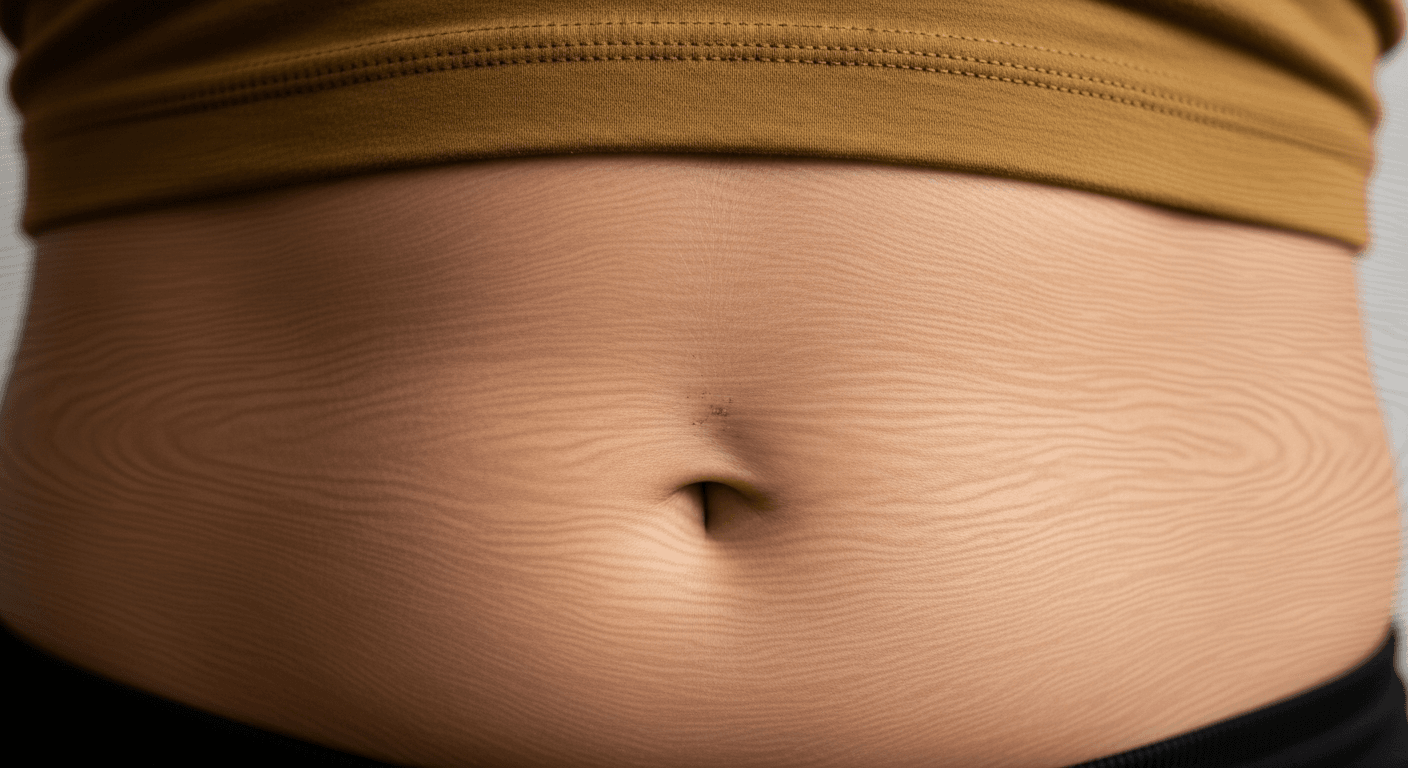
- Digestive Issues: Anxiety can wreak havoc on your gut. You might experience stomach cramps, bloating, nausea, diarrhoea, or constipation. This is because the gut has its own nervous system (the enteric nervous system), often called the ‘second brain,’ which is highly sensitive to stress and emotional changes.
- Muscle Tension and Pain: Constant worrying can lead to chronic muscle tension, particularly in the neck, shoulders, and back. You might experience headaches, jaw pain (from clenching), or general stiffness.
- Sleep Disturbances: Anxiety can make it difficult to fall asleep, stay asleep, or experience restful sleep. You might find yourself tossing and turning, waking up frequently, or feeling exhausted even after a full night’s sleep.
- Skin Problems: Anxiety can trigger skin conditions like eczema, psoriasis, or hives. It can also exacerbate existing skin problems. The stress hormones released during anxiety can disrupt the skin’s barrier function, making it more susceptible to inflammation and irritation.
- Fatigue and Exhaustion: Feeling constantly on edge can drain your energy reserves, leaving you feeling tired and depleted, even without physical exertion. This fatigue can be both physical and mental, making it difficult to concentrate and function effectively.
It’s important to note that these symptoms can also be caused by other medical conditions. If you’re experiencing any of these symptoms persistently, it’s always a good idea to consult with your GP to rule out any underlying medical causes. Once you’ve addressed any potential medical concerns, you can then explore the possibility that anxiety is playing a role.
Tuning Into Your Body’s Signals: Learning to Listen
Becoming more aware of your body’s signals is key to managing the physical symptoms of anxiety. This involves paying attention to subtle changes in your body throughout the day and noticing when these changes coincide with feelings of anxiety or stress. Start by taking a few moments each day to simply check in with your body. Ask yourself: What sensations am I noticing? Where am I holding tension? How is my breathing?
Keep a journal to track your symptoms and identify potential triggers. This can help you see patterns and understand how your anxiety manifests physically. Over time, you’ll become more attuned to your body’s signals and be able to recognise the early warning signs of anxiety before it escalates.
Finding Your Ground: Practical Techniques for Anxiety Relief
When anxiety takes hold, it can feel like you’re spinning out of control. Grounding techniques can help you reconnect with your body and the present moment, bringing you back to a place of calm and stability. These techniques work by shifting your focus away from anxious thoughts and onto your physical sensations.
Here are a few practical grounding exercises you can try:
- The 5-4-3-2-1 Technique: This simple exercise involves using your senses to ground yourself in the present moment. Start by identifying five things you can see around you. Then, identify four things you can touch. Next, identify three things you can hear. Then, identify two things you can smell. Finally, identify one thing you can taste. This technique helps to redirect your attention away from anxious thoughts and onto your immediate surroundings. For example, instead of getting lost in worries about an upcoming presentation, notice the colour of your curtains, the texture of your jumper, the sound of birds outside your window, the scent of your coffee, and the taste of your toothpaste.
- Deep Breathing Exercises: Deep, slow breathing can help to activate the parasympathetic nervous system, which is responsible for calming the body. Try the 4-7-8 breathing technique: Inhale deeply through your nose for a count of four, hold your breath for a count of seven, and exhale slowly through your mouth for a count of eight. Repeat this several times. Focus on the sensation of your breath entering and leaving your body.
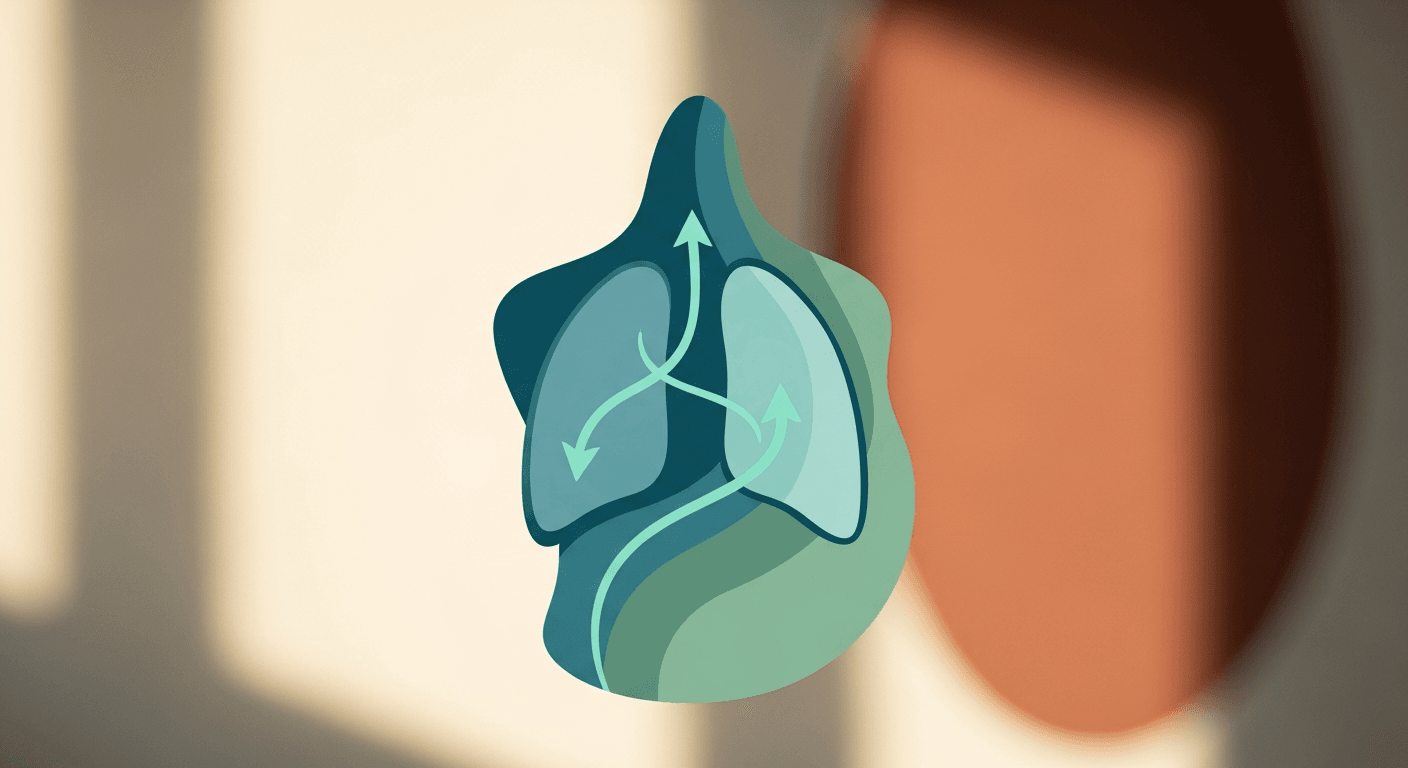
- Body Scan Meditation: This technique involves bringing your awareness to different parts of your body, noticing any sensations without judgment. Start by lying down or sitting comfortably. Close your eyes and bring your attention to your toes. Notice any sensations, such as tingling, warmth, or pressure. Slowly move your attention up your body, focusing on each part in turn. If you notice any tension, simply acknowledge it and try to release it. Continue this process until you reach the top of your head.
- Sensory Grounding with Nature: Spending time in nature can be incredibly grounding. Find a park or garden and pay attention to the sights, sounds, and smells around you. Feel the ground beneath your feet. Touch the bark of a tree. Listen to the wind rustling through the leaves. Even a few minutes spent connecting with nature can help to calm your nervous system and bring you back to the present moment. Perhaps take a walk in your local park, really noticing the different shades of green, the sounds of the birds, and the feel of the breeze on your skin.
Beyond Grounding: Seeking Further Support
While grounding techniques can be helpful in managing the physical symptoms of anxiety, they are not a substitute for professional support. If you’re struggling with chronic anxiety, it’s important to seek help from a qualified therapist or counsellor. Therapy can help you identify the underlying causes of your anxiety and develop effective coping strategies.
Remember, you’re not alone. Many people experience the physical symptoms of anxiety. With awareness, self-compassion, and the right support, you can learn to manage your anxiety and live a more fulfilling life. Consider exploring resources like talking therapies, mindfulness practices, or even connecting with support groups to share experiences and learn from others.