Setting boundaries is often touted as a crucial step in healing, particularly after experiencing narcissistic abuse. It’s about defining your limits, protecting your energy, and asserting your needs. However, what happens when the very act of saying ‘no’ leaves you feeling utterly drained? This is boundary fatigue, and it’s a very real experience for many. It’s not simply laziness or unwillingness; it’s a profound exhaustion that can derail your progress and leave you feeling even more vulnerable.
Boundary fatigue arises when the effort required to maintain your boundaries outweighs your available energy. Think of it like a muscle that gets overworked. In the context of narcissistic abuse recovery, this is especially pertinent. You’re likely dealing with individuals who are adept at pushing boundaries, manipulating situations, and disregarding your needs. Each ‘no’ becomes a battle, each boundary a fortress that needs constant defending. The emotional labour involved can be immense.
The Invisible Weight of ‘No’: Understanding the Roots of Boundary Fatigue
Several factors contribute to boundary fatigue, especially when you’re recovering from narcissistic abuse:
- Years of Conditioning: If you’ve spent years in a relationship where your needs were consistently ignored or invalidated, asserting yourself feels unnatural and incredibly difficult. You may have been conditioned to prioritise the needs of others above your own, making ‘no’ feel like a forbidden word.
- Fear of Retaliation: Narcissistic individuals often react negatively to boundaries. The fear of anger, manipulation, or even outright punishment can make it incredibly draining to maintain your limits. You might anticipate their reactions, rehearse your responses, and brace yourself for the inevitable fallout, all of which consumes a significant amount of energy.
- Guilt and Self-Doubt: Even when you know a boundary is necessary, you might grapple with feelings of guilt or self-doubt. You might question your own judgment, worry about being ‘selfish,’ or fear damaging the relationship. These internal conflicts add to the mental and emotional burden.
- Lack of Support: Setting boundaries can feel isolating, particularly if you don’t have a strong support system. Without validation and encouragement, it’s easy to feel overwhelmed and question your resolve.
Recognising these underlying causes is the first step in addressing boundary fatigue. It allows you to approach the problem with compassion and understanding, rather than self-criticism.

Recharging Your Defences: Practical Strategies for Combating Boundary Fatigue
So, how do you recharge your energy and continue to set boundaries effectively without burning out? Here are some practical strategies:
- Prioritise Your Battles: You don’t have to fight every single battle. Identify the boundaries that are most crucial to your well-being and focus your energy on those. For example, if your mother constantly criticises your parenting, setting a boundary around that topic might be more important than addressing her minor complaints about your hairstyle. Choose your battles wisely to conserve your energy for what truly matters.
- The Power of the Pre-Emptive Boundary: Instead of reacting in the moment, anticipate situations where your boundaries are likely to be tested. Plan your response in advance. For example, if you know that your narcissistic ex-partner always tries to engage you in lengthy phone calls, send a text beforehand saying, “I only have 15 minutes to talk today.” This sets a clear expectation and reduces the pressure to defend your boundaries in the heat of the moment.
- Enlist Support: Talk to a therapist, support group, or trusted friend about your experiences. Sharing your struggles can alleviate the burden and provide valuable validation. A therapist, for example, can help you develop coping mechanisms for dealing with manipulative behaviour and offer strategies for assertively communicating your needs. Don’t underestimate the power of human connection.
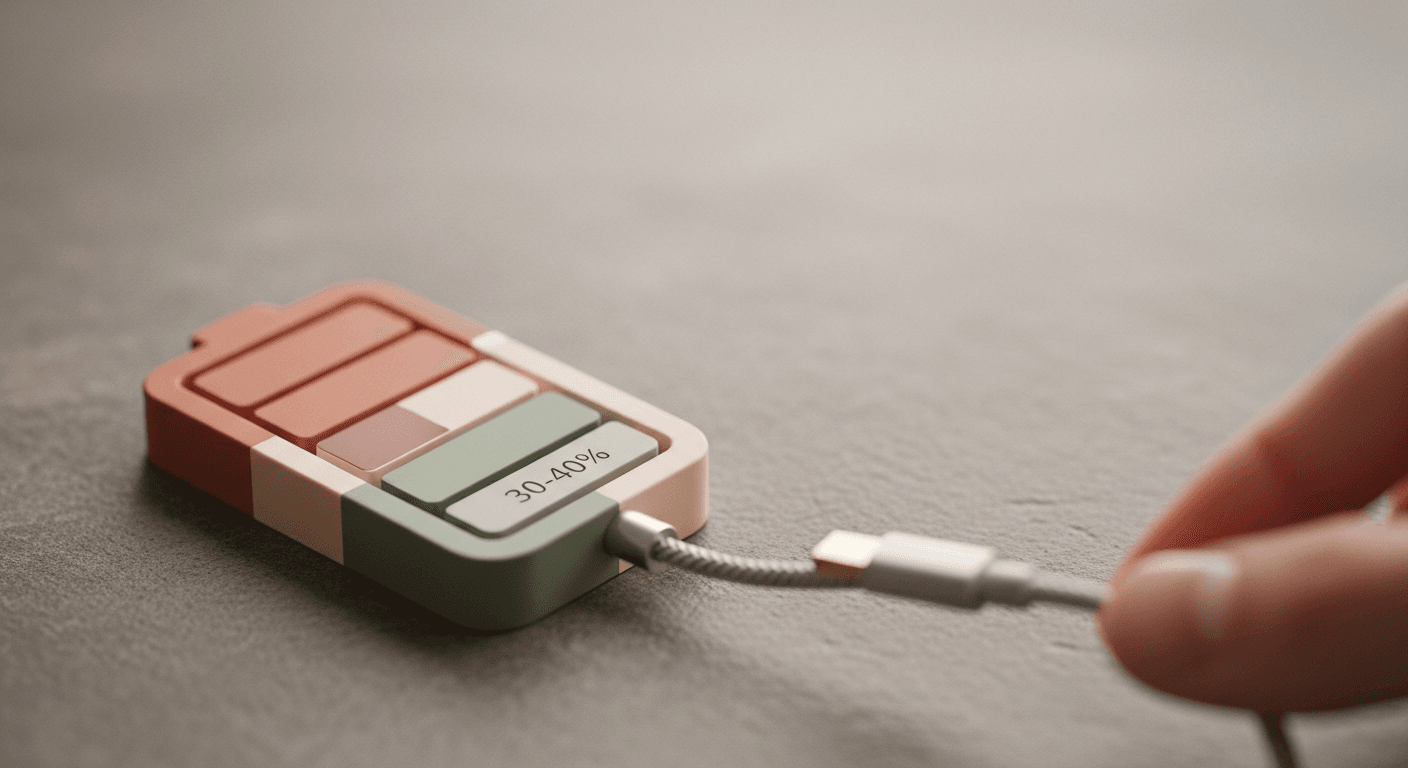
- Implement the ‘Energy Audit’: Keep a diary for a week, noting down each time you interact with someone who frequently tests your boundaries. Rate your energy levels before and after the interaction. This will help you identify which interactions are the most draining and where you need to focus your energy conservation efforts. Perhaps you discover that family gatherings are particularly taxing, prompting you to limit your attendance or plan for restorative activities afterwards.
Beyond ‘No’: Reframing Your Approach to Boundaries
Setting boundaries isn’t just about saying ‘no.’ It’s about defining what you’re willing to accept and creating a safe and respectful environment for yourself. Consider these alternative approaches:
- ‘Yes, and…’: Instead of outright rejection, try adding a condition to your agreement. For example, instead of saying ‘No, I can’t babysit this weekend,’ try ‘Yes, I can babysit for a few hours on Saturday, but I need to leave by 5 pm.’ This allows you to maintain your boundary while still offering assistance.
- The Broken Record Technique: Calmly and repeatedly state your boundary without getting drawn into arguments or justifications. For example, if someone keeps pressuring you to share personal information you’re not comfortable with, simply repeat, ‘I’m not going to discuss that.’ The consistency can eventually deter them from pushing further.
- Shifting the Focus: Redirect the conversation or activity to something else. If someone is trying to engage you in a gossip session, change the subject to a neutral topic or suggest a different activity.
Self-Compassion: The Foundation of Sustainable Boundaries
Ultimately, overcoming boundary fatigue requires self-compassion. Be kind to yourself when you slip up or feel overwhelmed. Remember that setting boundaries is a skill that takes time and practice. Celebrate your successes, no matter how small, and learn from your setbacks. Recognise that your needs are valid and that protecting your energy is not selfish; it’s essential for your well-being. You are worthy of respect, and your boundaries deserve to be honoured. With patience, persistence, and self-compassion, you can navigate the challenges of boundary setting and create a life that is more authentic, fulfilling, and energising.

If you are struggling with boundary fatigue and the aftermath of narcissistic abuse, remember that you don’t have to go through it alone. Seeking professional support can provide you with the tools and guidance you need to heal and reclaim your life.