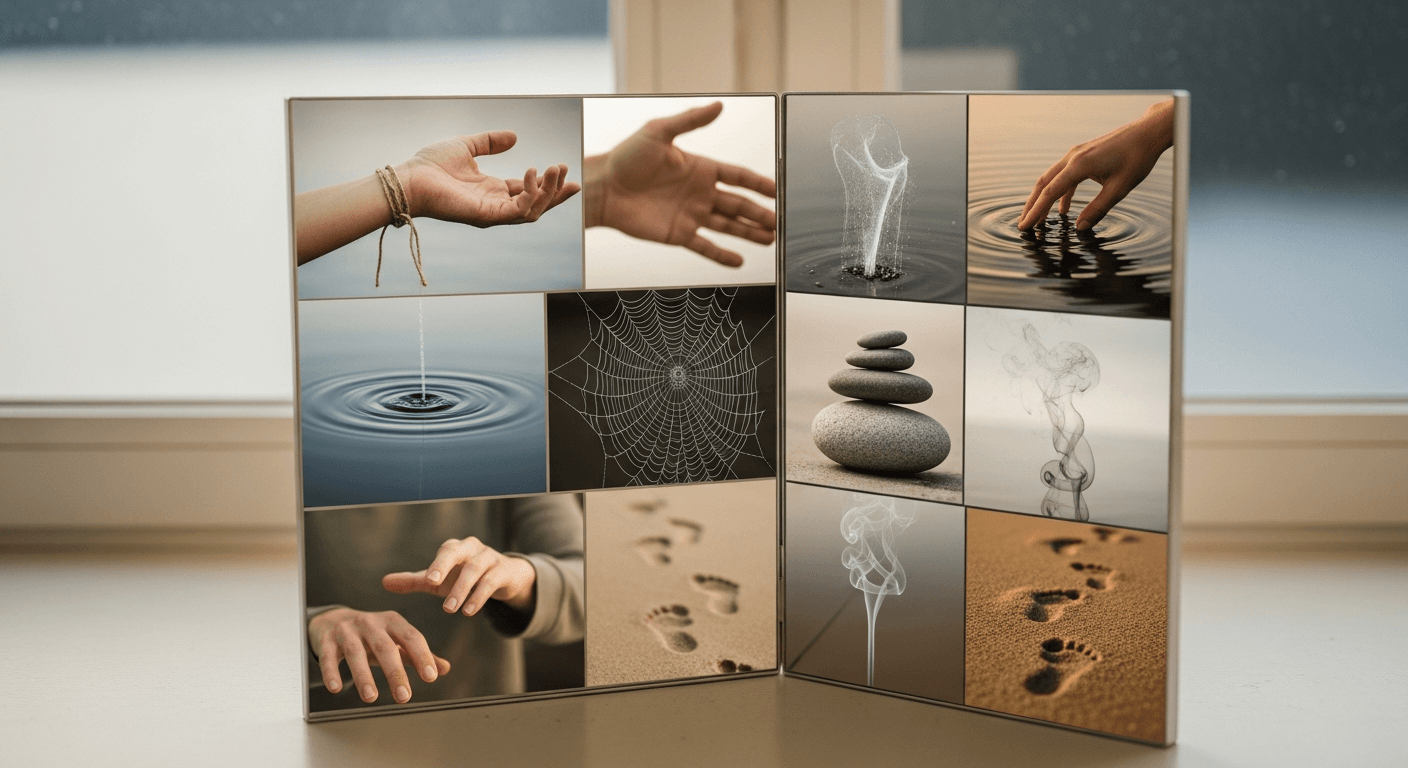
Navigating life after narcissistic abuse can feel like walking through a storm. The constant emotional turmoil, the erosion of your self-worth, and the lingering sense of unease can leave you feeling depleted and disconnected from yourself. It’s understandable to feel overwhelmed. But amidst the chaos, there are small, achievable ways to cultivate moments of calm and rebuild your inner strength. This isn’t about grand gestures or radical transformations; it’s about finding stillness in the small spaces of your day.
Self-care after abuse isn’t a luxury; it’s a necessity. It’s about re-establishing a connection with yourself, nurturing your well-being, and gradually rewriting the narrative that was imposed upon you. It’s about recognising your value and prioritising your needs, perhaps for the first time in a long time. And the beauty of it is, you don’t need hours to dedicate to elaborate routines. You can start small, with micro-moments that weave into the fabric of your daily life.
From Overwhelm to Opportunity: Starting Small
One of the biggest challenges in recovering from abuse is the feeling of being constantly on edge. Your nervous system might be hypervigilant, always anticipating the next potential threat. This can make it difficult to relax and engage in traditional self-care activities. That’s why starting with small, manageable habits is so important. These micro-habits don’t require a huge investment of time or energy, making them easier to integrate into your routine, even on difficult days. They are an opportunity to reclaim agency and build a sense of safety within yourself.

Pocketfuls of Peace: Practical Self-Care Strategies
Here are a few practical ideas to get you started:
- The Mindful Minute: Take just one minute each day to focus on your breath. Sit comfortably, close your eyes (if that feels safe), and simply observe the sensation of your breath entering and leaving your body. If your mind wanders, gently guide your attention back to your breath. This simple practice can help calm your nervous system and bring you back to the present moment. You can do this while waiting for the kettle to boil, sitting on the bus, or even at your desk at work.
- Sensory Grounding: When you feel overwhelmed, engage your senses. Find one thing you can see, one thing you can touch, one thing you can hear, one thing you can smell, and one thing you can taste. For example, you might notice the colour of a flower, the texture of your clothing, the sound of birds singing, the scent of your coffee, and the taste of your favourite tea. This grounding technique can help you anchor yourself in the present and interrupt racing thoughts.
- Affirmation Station: Start your day with a positive affirmation. This doesn’t have to be cheesy or unrealistic. It could be something as simple as “I am worthy of kindness” or “I am doing my best”. Write it down, say it out loud, or simply think it to yourself. Repeat it throughout the day whenever you need a boost. Keep a note of your affirmation where you can see it, like on your bathroom mirror or on your phone.
- Hydration Ritual: Make drinking water a conscious act of self-care. Instead of mindlessly gulping down water, take a moment to appreciate the taste and sensation of it hydrating your body. Add a slice of lemon or cucumber for extra flavour. This simple act can be a reminder to nourish yourself and prioritise your physical well-being. Use a nice glass or bottle, making it a little ritual.
Listening to Your Inner Compass: Adapting to Your Needs
The most important thing is to listen to your inner compass. What feels good to you? What brings you a sense of peace or comfort? Don’t feel pressured to follow a specific self-care routine that doesn’t resonate with you. Experiment with different activities and find what works best for you. Some days, you might need more active self-care, like going for a walk or engaging in a creative activity. Other days, you might need more passive self-care, like reading a book or taking a nap.

It’s also important to be kind to yourself if you miss a day or two. Self-care is not about perfection; it’s about progress. There will be days when you don’t have the energy or motivation to engage in self-care activities, and that’s okay. Simply acknowledge your feelings and commit to trying again tomorrow. Remember that healing is not linear. There will be ups and downs, setbacks and breakthroughs. Be patient with yourself and celebrate your progress, no matter how small.
Beyond the Micro: Building a Sustainable Foundation
While micro-moments of calm can be incredibly helpful, they are just one piece of the puzzle. As you begin to rebuild your sense of self and create a safer inner world, you may also want to consider other forms of support, such as therapy, support groups, or trauma coaching. These resources can provide you with a safe and supportive space to process your experiences, develop coping mechanisms, and build a stronger sense of self.
Recovering from narcissistic abuse is a process, not a destination. It takes time, patience, and self-compassion. But by incorporating small moments of calm into your daily life, you can begin to rebuild your inner strength, reclaim your sense of self, and create a brighter future for yourself. You are stronger than you think, and you deserve to live a life filled with peace, joy, and self-love. Remember, even the smallest acts of self-care can make a big difference in your healing journey. Be gentle with yourself, and keep moving forward, one micro-moment at a time.