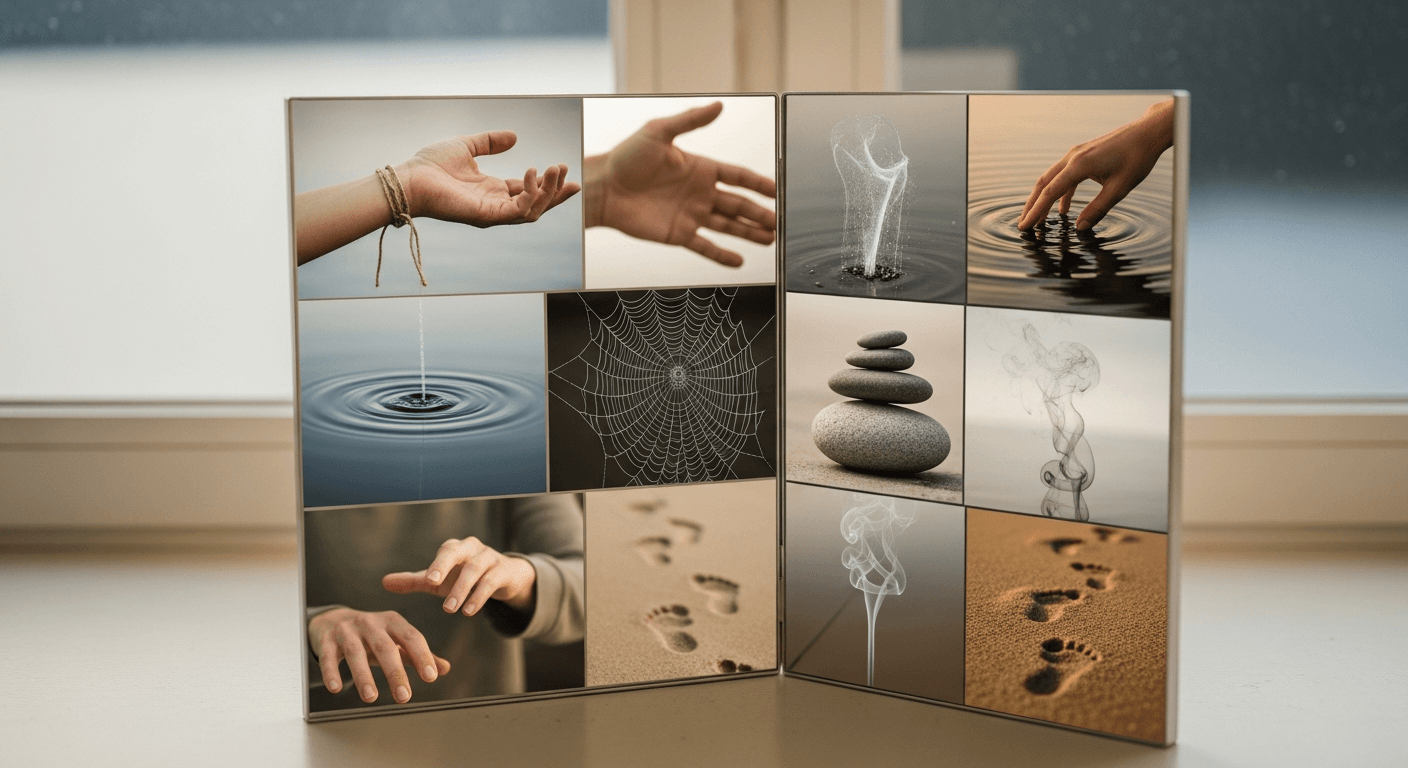
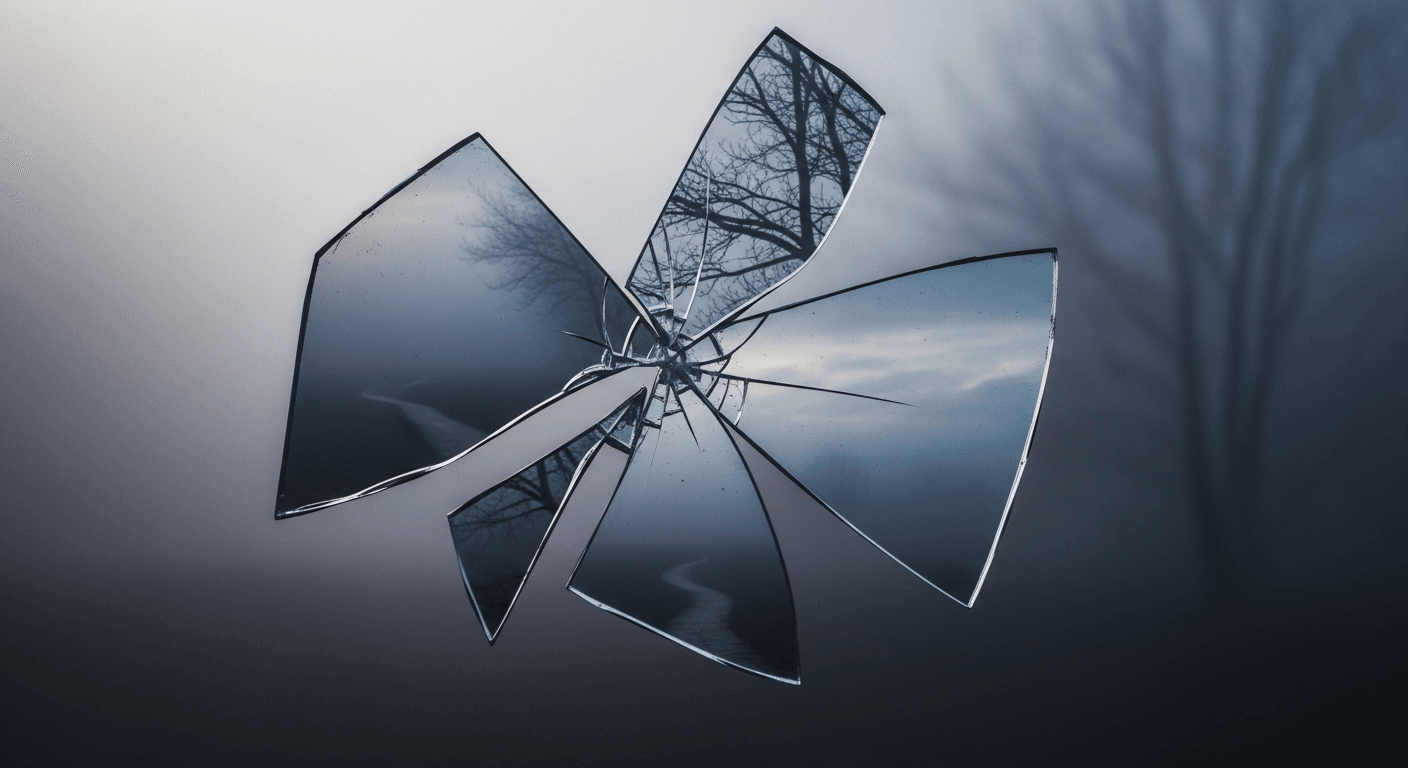
Narcissistic abuse leaves deep scars. Rebuilding your life afterwards often feels overwhelming. It’s like trying to assemble a shattered vase, piece by piece. And while the big, ambitious gestures of healing – intensive therapy, significant life changes – are crucial, it’s the consistent, small acts of self-care that truly pave the way for lasting recovery. These micro-moments of self-care, woven into your daily routine, can be profoundly transformative. They are about reclaiming your agency, one breath, one boundary, one moment at a time.
After experiencing narcissistic abuse, your nervous system is often on high alert. You might find yourself constantly anticipating criticism, struggling with anxiety, or feeling emotionally exhausted. This hypervigilance makes it difficult to focus on your own needs and desires. Self-care, in this context, isn’t about bubble baths and expensive spa treatments (although those can be lovely!). It’s about creating a safety net of small, consistent actions that signal to your body and mind that you are safe, valued, and worthy of care. It’s about learning to soothe that activated nervous system and slowly rebuild a sense of inner peace.
Understanding the Importance of Self-Care After Abuse
The effects of narcissistic abuse can be far-reaching, impacting your self-esteem, relationships, and overall well-being. It often involves a systematic erosion of your sense of self, leaving you feeling confused, disoriented, and questioning your own reality. Self-care becomes essential in this process of rebuilding. It helps you:
- Reconnect with yourself: Narcissistic abuse often involves being told who you are, what you think, and how you should feel. Self-care provides opportunities to rediscover your own voice and reconnect with your authentic self.
- Regulate your emotions: Simple practices like deep breathing or mindful moments can help you manage overwhelming emotions and reduce anxiety.
- Re-establish boundaries: Saying “no” and prioritising your needs are acts of self-care that reinforce healthy boundaries and protect you from further harm.
- Foster resilience: By consistently nurturing yourself, you build inner strength and develop the capacity to cope with challenges.
Practical Tips for Incorporating Micro-Moments of Self-Care
The beauty of micro-moments of self-care is that they are adaptable to any schedule and require minimal effort. Here are a few practical suggestions to get you started:
- Mindful Breathing Breaks: Throughout the day, take a few minutes to focus on your breath. Inhale deeply, counting to four, hold for a count of four, and exhale slowly, counting to six. Repeat this several times. This simple exercise can calm your nervous system and reduce feelings of anxiety. You can do this anywhere: waiting in line, sitting at your desk, or even while doing chores.
- Setting Small Boundaries: Practice saying “no” to requests that drain your energy or compromise your well-being. This could be as simple as declining an invitation you don’t feel up to or asking for help when you need it. Start with small boundaries and gradually work your way up to more significant ones. Remember, saying no to others is often saying yes to yourself.
- Engaging Your Senses: Take a moment to fully engage your senses. Savour the taste of your morning coffee, listen to your favourite song, or spend a few minutes outdoors, noticing the sights, sounds, and smells around you. Sensory experiences can be grounding and help you reconnect with the present moment.
- Gratitude Practice: Take a few minutes each day to reflect on the things you are grateful for. This could be as simple as appreciating a sunny day or acknowledging a kind gesture from a friend. Gratitude shifts your focus away from negative thoughts and cultivates a sense of positivity.
Addressing Common Challenges
Implementing self-care after narcissistic abuse can be challenging. Here are some common obstacles and ways to overcome them:
- Guilt and Selfishness: You might feel guilty for prioritising your own needs, especially if you were conditioned to put others first. Remind yourself that self-care is not selfish; it’s essential for your well-being.
- Lack of Time: It can be difficult to find time for self-care, especially with a busy schedule. Start small and integrate micro-moments into your existing routine. Even five minutes of mindful breathing can make a difference.
- Self-Doubt: You might question whether you deserve self-care or believe that it won’t make a difference. Challenge these negative thoughts and remind yourself that you are worthy of love, care, and compassion.
Seeking Support and Guidance
Remember, you don’t have to navigate this journey alone. Seeking support from a therapist, support group, or trusted friend can provide validation, encouragement, and guidance. Trauma coaching can also be immensely beneficial. Working with a specialist trained in narcissistic abuse recovery can help you develop personalised self-care strategies, process your experiences, and build a brighter future.
Healing from narcissistic abuse is a marathon, not a sprint. Be patient with yourself, celebrate small victories, and remember that every micro-moment of self-care is a step towards reclaiming your life and rediscovering your authentic self. You are stronger than you think, and healing is possible.