We’ve all been there. Anxiety surges, our heart races, thoughts spiral, and someone, bless their well-meaning heart, tells us to just “calm down”. It sounds simple, doesn’t it? But for many of us, especially when anxiety takes hold, those words feel utterly useless, even infuriating. This isn’t because we *want* to be anxious. It’s because anxiety often operates as a self-perpetuating cycle, driven by physiological processes that make it incredibly difficult to simply switch off.
Understanding why this happens is the first step towards finding strategies that actually work. It’s not about a lack of willpower; it’s about understanding your nervous system.
The Nervous System’s Unhelpful Feedback Loop
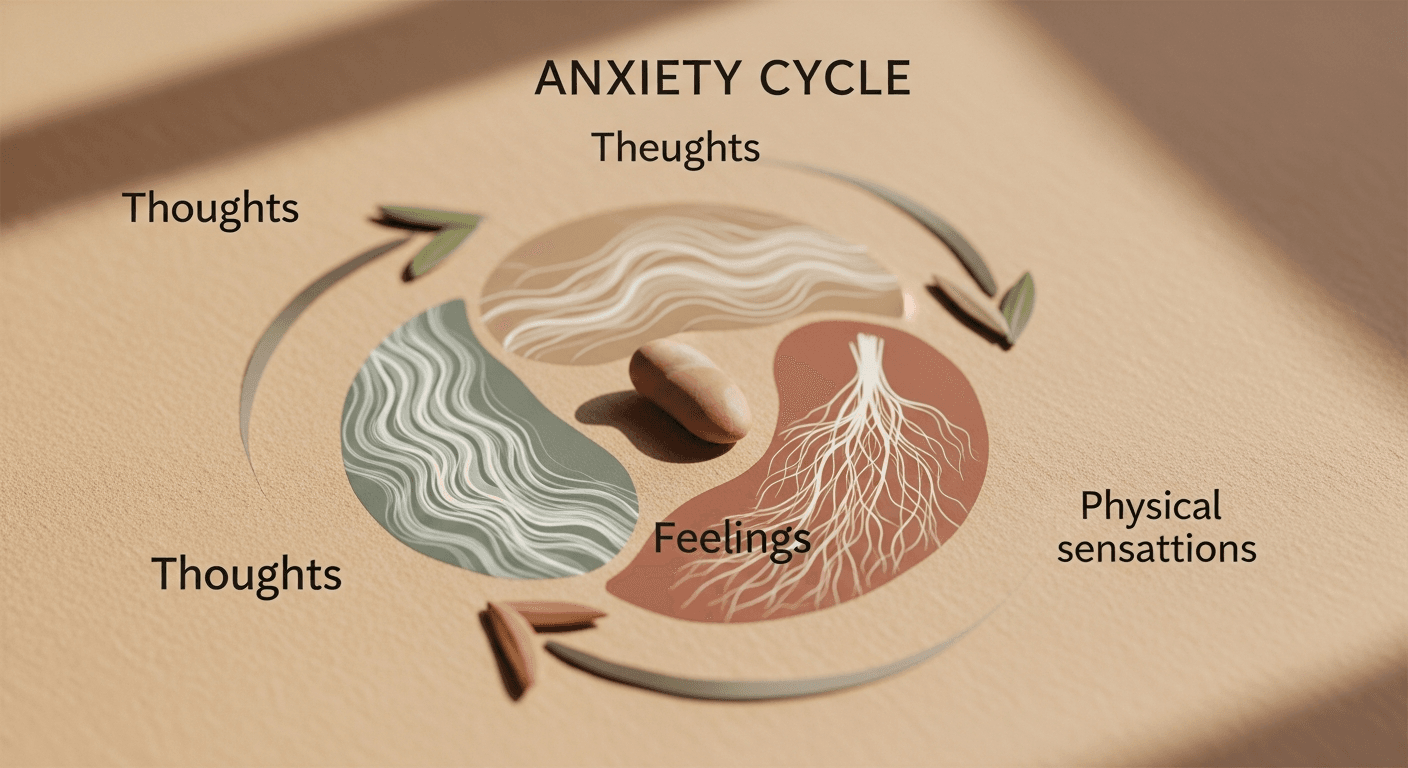
When we experience stress or perceive a threat (real or imagined), our sympathetic nervous system kicks into gear. This is the “fight or flight” response, designed to prepare us for immediate danger. Adrenaline and cortisol flood our system, increasing heart rate, blood pressure, and alertness. Our breathing becomes faster and shallower. This is all perfectly normal, and even helpful in certain situations. However, when this response is triggered frequently or becomes chronic, it can create a problematic feedback loop.
The physical symptoms of anxiety – the racing heart, the sweaty palms, the shallow breathing – are interpreted by the brain as further evidence of danger. This, in turn, intensifies the anxiety, leading to more physical symptoms, and so on. The anxiety cycle tightens its grip. The more you feel anxious, the more your body reacts, and the more your body reacts, the more anxious you feel. It’s a physiological rollercoaster.
Traditional “calming down” techniques, such as deep breathing exercises done incorrectly, or simply telling yourself to relax, often fail because they don’t address the underlying physiological arousal. Trying to force yourself to relax when your body is screaming danger can actually increase anxiety, leading to feelings of frustration and helplessness.
Beyond ‘Calm Down’: Re-regulating Your Nervous System
Instead of directly trying to suppress anxiety, a more effective approach is to focus on regulating your nervous system. This involves gently guiding your body out of the “fight or flight” response and into a state of safety and calm. This isn’t about instant fixes, but rather about building resilience over time.

Here are a few evidence-informed strategies to consider:
1. Grounding Techniques: Connecting to the Present
Grounding techniques help to bring you back to the present moment, interrupting the anxious thoughts and physical sensations that fuel the anxiety cycle. They shift your focus from internal distress to external reality.
Practical example: Try the 5-4-3-2-1 grounding exercise. Slowly and deliberately, notice 5 things you can see, 4 things you can touch, 3 things you can hear, 2 things you can smell, and 1 thing you can taste. Really engage your senses. For example, instead of just seeing “a plant”, notice the specific shade of green, the texture of the leaves, and the way the light falls on it.
2. Vagal Nerve Stimulation: Your Body’s Natural Calming System
The vagal nerve is the longest cranial nerve in the body, and it plays a crucial role in regulating the parasympathetic nervous system – the “rest and digest” response. Stimulating the vagal nerve can help to reduce anxiety and promote relaxation.
Practical example: Gentle humming or singing activates the vagal nerve. Even a few minutes of humming a favourite tune can make a difference. Another technique is cold water exposure. Splashing cold water on your face or taking a cold shower (even just for a few seconds) can stimulate the vagal nerve and help to lower your heart rate.
3. Mindful Movement: Engaging the Body, Calming the Mind
Physical activity can be incredibly helpful for managing anxiety, but intense workouts can sometimes exacerbate the fight-or-flight response. Mindful movement, on the other hand, focuses on gentle, intentional movements that promote body awareness and relaxation.
Practical example: Try a slow, gentle walk in nature, paying attention to the sensations in your body – the feeling of your feet on the ground, the breeze on your skin, the sounds of birdsong. Notice how your body feels without judgement. Even stretching can be a mindful activity.
4. Befriending Your Body: Compassionate Self-Talk
Anxiety can make us feel disconnected from our bodies, even at war with them. Practising compassionate self-talk can help to rebuild a sense of safety and connection.
Practical example: When you notice physical symptoms of anxiety, instead of getting angry or frustrated, try speaking to your body with kindness. You might say something like, “I know you’re feeling anxious right now. It’s okay. I’m here with you, and we’ll get through this together.” This can help to interrupt the negative feedback loop and create a sense of calm.
Breaking the Cycle: A Gradual Process
Breaking free from the anxiety cycle is a process, not a destination. It requires patience, self-compassion, and a willingness to experiment with different strategies to find what works best for you. It’s also important to remember that seeking professional support from a therapist or trauma coach can be invaluable in navigating this process.
By understanding the physiological underpinnings of anxiety and focusing on nervous system regulation, you can begin to interrupt the vicious cycle and move towards a greater sense of calm and well-being. Remember, you are not alone, and healing is possible.