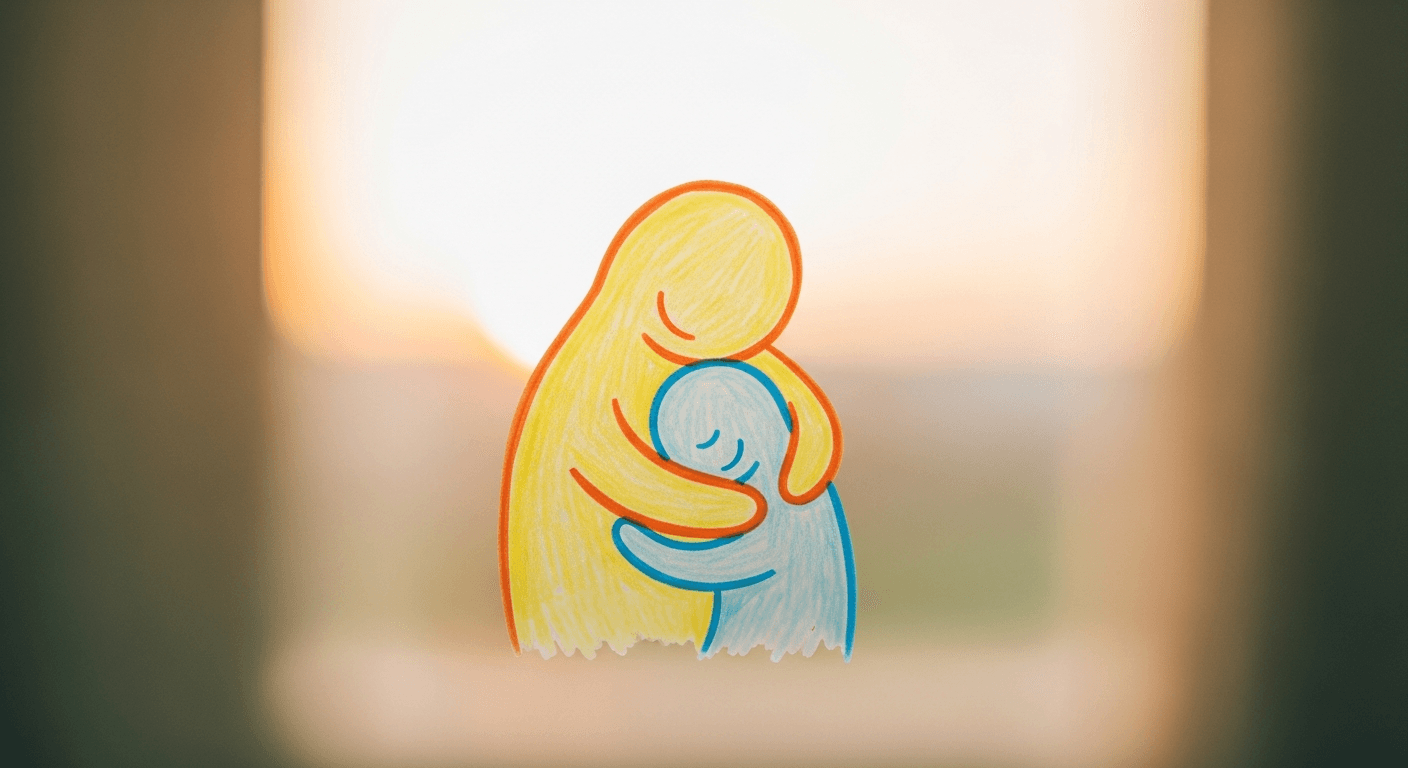
After experiencing abuse, particularly narcissistic abuse, the desire to rewrite history can be overwhelming. We replay events, wishing we’d acted differently, hoping the abuser would have changed. The truth, however painful, is that we cannot alter what has already happened. The abuser isn’t going to suddenly acknowledge their behaviour or offer a heartfelt apology. This is where acceptance comes in. Acceptance isn’t about condoning what happened; it’s about acknowledging reality, freeing yourself from the exhausting cycle of wishing things were different, and paving the way for emotional healing.
Understanding that acceptance is a process, not an overnight achievement, is crucial. It’s a gradual shift in perspective, a softening around the edges of the pain. There will be days when you feel you’ve taken a step back, and that’s perfectly alright. Be kind to yourself; healing isn’t linear.
Letting Go of the “What Ifs”: A Shift in Focus
One of the biggest obstacles to acceptance is dwelling on the “what ifs”. What if I had left sooner? What if I had been stronger? What if I had said something different? These questions keep us trapped in the past, preventing us from fully engaging with the present. Instead of focusing on what you *could have* done, try shifting your focus to what you *can* do now.

This involves actively directing your attention toward building a life that is meaningful and fulfilling for you. This could mean setting healthy boundaries, pursuing neglected hobbies, connecting with supportive friends and family, or seeking professional help. Each small step forward weakens the power of the “what ifs”.
The Myth of Closure: Finding Peace Without Apology
Many people believe that they need an apology from their abuser to find closure and move on. While an apology might be helpful, it’s rarely forthcoming in cases of narcissistic abuse. Expecting something that is unlikely to happen keeps you tethered to the abuser and their actions. The reality is that closure often comes from within. It’s about accepting that you may never receive the validation or acknowledgement you deserve from the person who hurt you. It’s about giving yourself permission to move forward, regardless of their behaviour.
Finding peace without an apology can feel incredibly difficult, but it is possible. Focus on validating your own experiences and emotions. Remember that your feelings are valid, even if the abuser denies them. Writing in a journal, talking to a therapist, or connecting with a support group can be incredibly helpful in processing your emotions and validating your reality.
Practical Steps Towards Acceptance After Abuse
Here are some practical steps you can take to cultivate acceptance and begin to heal:
Practice Mindfulness: Mindfulness involves paying attention to the present moment without judgment. This can help you become more aware of your thoughts and feelings without getting caught up in them. When you notice yourself dwelling on the past, gently redirect your attention to your breath, your surroundings, or a simple task like washing the dishes. For example, try a guided meditation focusing on body scan to ground yourself in the present. There are many free apps and resources available online.
Challenge Negative Thoughts: After abuse, it’s common to have negative thoughts about yourself and the world. These thoughts can reinforce feelings of shame, guilt, and helplessness. Challenge these thoughts by asking yourself if they are truly accurate and helpful. For example, if you find yourself thinking, “I should have known better,” ask yourself, “Is it really fair to blame myself for not recognising manipulative behaviour?” Consider the context and the power dynamics involved. Acknowledge that you were likely manipulated. Reframe the thought to: “I am learning to recognise these patterns and will be better equipped in the future.”

Focus on Self-Compassion: Self-compassion involves treating yourself with the same kindness and understanding you would offer a friend. It means acknowledging your suffering, recognising that you are not alone in your experiences, and offering yourself words of comfort and encouragement. For example, when you’re feeling overwhelmed by painful memories, try placing your hand on your heart and saying to yourself, “This is a difficult moment. I am being kind to myself. I am worthy of love and compassion.”
Set Boundaries and Create a Safe Space: Acceptance isn’t passive. It’s active. This means taking steps to protect yourself from further harm. If possible, limit or eliminate contact with the abuser. Surround yourself with supportive and understanding people. Create a physical and emotional space where you feel safe and secure. This might involve decluttering your home, creating a relaxing bedroom, or simply taking time each day to engage in activities that bring you joy. For example, if you find yourself constantly checking the abuser’s social media, set a firm boundary to stop yourself. Block them if necessary. Replace that habit with something nurturing, like reading a book or listening to music.
The Freedom of Letting Go: Embracing the Future
Ultimately, acceptance after abuse is about reclaiming your power and choosing to live a life that is no longer defined by the past. It’s about recognising that you are resilient, capable, and deserving of happiness. It’s about embracing the future with hope and optimism, knowing that you have the strength to overcome any challenges that come your way.
Remember, healing is a process, and acceptance is a vital part of that process. Be patient with yourself, celebrate your progress, and know that you are not alone. If you are struggling to find acceptance after abuse, consider seeking professional help. A therapist can provide you with the support and guidance you need to navigate your healing journey and create a brighter future.