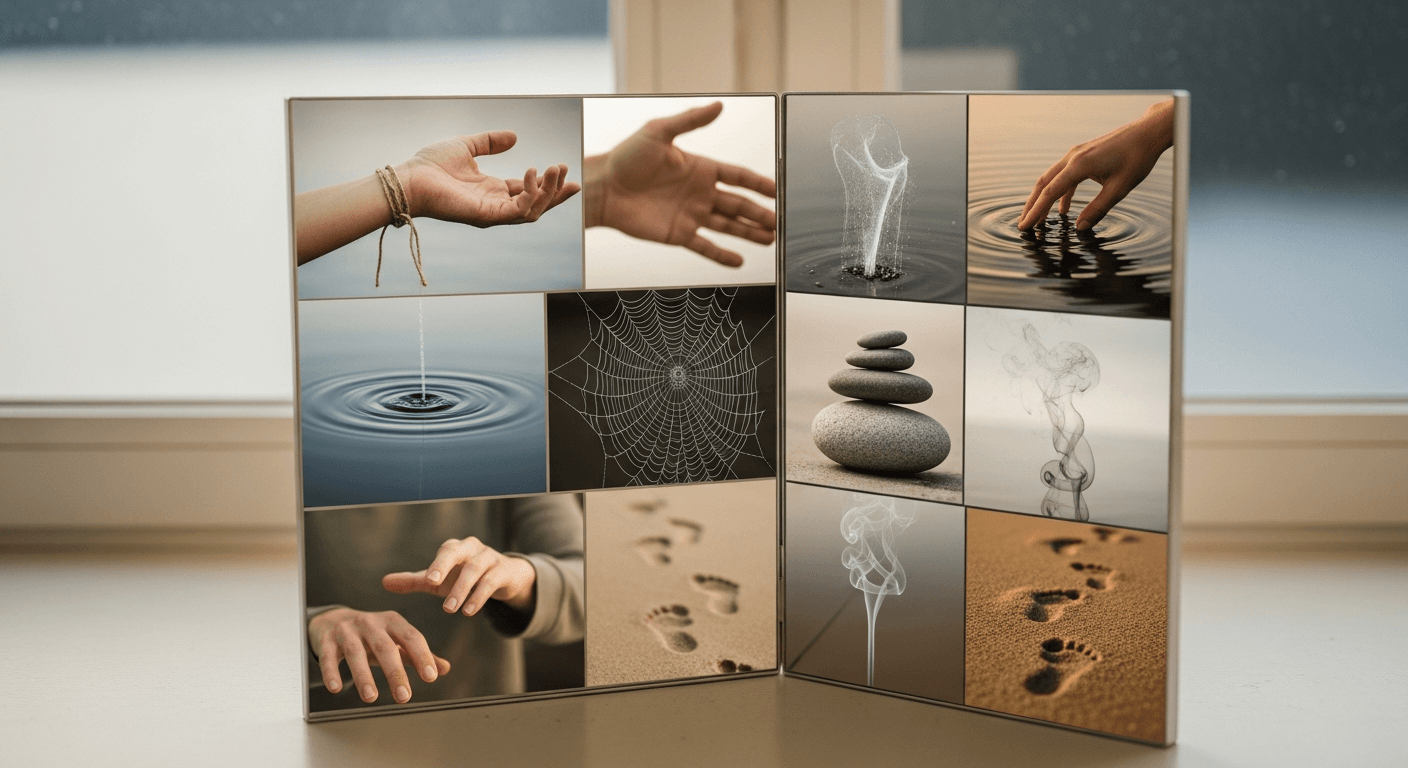
Trauma leaves its mark. It settles deep within us, often manifesting as a persistent feeling of unease, anxiety, or being constantly on edge. This isn’t a sign of weakness; it’s a direct consequence of how trauma impacts our nervous system. When faced with overwhelming experiences, our nervous system can become dysregulated, leading to a constant state of fight, flight, or freeze. The good news is, that while trauma can change us, it doesn’t have to define us. We have the capacity to influence our nervous system and gently guide it back towards a state of balance and calm. Healing is possible, and it begins with understanding and responding to your body’s signals.
Understanding nervous system regulation after trauma is key. When trauma occurs, the nervous system can get ‘stuck’ in a heightened state of alert. This means even everyday situations can trigger a stress response, leading to feelings of anxiety, panic, or overwhelm. We might find ourselves reacting strongly to situations that wouldn’t normally bother us, or struggling to concentrate and focus. This isn’t a personal failing; it’s a physiological response. Learning to recognise these signals, and having practical tools to respond, is a crucial step in healing.

Tuning In: Listening to Your Body’s Whispers
One of the first steps in regulating your nervous system is simply becoming more aware of its signals. Often, we’re so disconnected from our bodies that we miss the early signs of distress. Start by taking a few moments each day to check in with yourself. Ask yourself: What sensations am I noticing in my body? Is there tension in my shoulders? Is my heart racing? Am I breathing shallowly? There’s no judgement here, just gentle observation. Even noticing a slight clenching in your stomach can be valuable information. This awareness builds a foundation for taking proactive steps to calm your nervous system.
Finding Your Anchor: Grounding Techniques for Stability
Grounding techniques are invaluable tools for bringing yourself back to the present moment when you’re feeling overwhelmed or triggered. They help to reconnect you with your body and your surroundings, shifting your focus away from anxious thoughts and into the here and now. Here are a few simple grounding techniques you can try:
- The 5-4-3-2-1 Method: This technique involves using your senses to ground you in your environment. Start by naming five things you can see, four things you can touch, three things you can hear, two things you can smell, and one thing you can taste. Take your time with each step, really focusing on the sensations.
- The Weight of Your Body: Find a comfortable seat or stand with your feet firmly planted on the ground. Notice the weight of your body pressing against the chair or the floor. Feel the connection between your body and the surface beneath you. You can even gently rock back and forth, noticing how the weight shifts.
- Mindful Breathing: Focusing on your breath is a powerful way to calm your nervous system. Try taking slow, deep breaths, inhaling deeply into your belly and exhaling slowly. You can count to four on the inhale, hold for a count of four, and exhale for a count of six. This longer exhale helps to activate your parasympathetic nervous system, which promotes relaxation.

Moving Through It: Somatic Experiencing and Body Awareness
Trauma is often stored in the body as unprocessed energy. Somatic experiencing is an approach that focuses on releasing this trapped energy through gentle movement and body awareness. It’s about noticing the sensations in your body and allowing them to unfold naturally, without forcing or pushing. It’s best to work with a trained somatic experiencing practitioner, particularly when dealing with significant trauma. However, there are some simple exercises you can try on your own to begin exploring this approach:
- Pendulation: This involves gently shifting your attention between a sensation of discomfort and a sensation of safety or comfort in your body. For example, you might notice a tightness in your chest. Then, you would shift your attention to a place in your body that feels safe and grounded, such as your feet on the floor. You would gently move back and forth between these sensations, allowing your body to gradually release the tension.
- Titration: This involves breaking down overwhelming feelings into smaller, more manageable pieces. If you’re feeling flooded with emotion, try focusing on just one aspect of the feeling, such as the physical sensation in your body. Allow yourself to experience that sensation fully, without judgement. Then, gently release it and move on to the next sensation.
Creating a Safe Harbour: Building a Supportive Environment
Your environment plays a significant role in your nervous system regulation. A chaotic or stressful environment can exacerbate feelings of anxiety and overwhelm, while a calm and supportive environment can promote healing. Consider what changes you can make to your surroundings to create a sense of safety and comfort. This might involve decluttering your space, adding calming elements such as plants or soft lighting, or creating a dedicated space for relaxation. Furthermore, nurturing healthy relationships is vital. Surrounding yourself with supportive and understanding people can provide a sense of security and connection, which can significantly impact your nervous system.

Remembering Your Strength: A Path to Whole-ness
Healing from trauma is a process, not a destination. There will be ups and downs, moments of progress and moments of setback. Be patient with yourself, and celebrate every small victory along the way. Remember that you are not alone, and that help is available. Learning to regulate your nervous system is a crucial step in reclaiming your life and moving towards a future filled with greater peace, resilience, and wellbeing. It’s about building a stronger connection with yourself, learning to listen to your body’s wisdom, and creating a life that supports your healing. It’s about moving from wounded to whole.
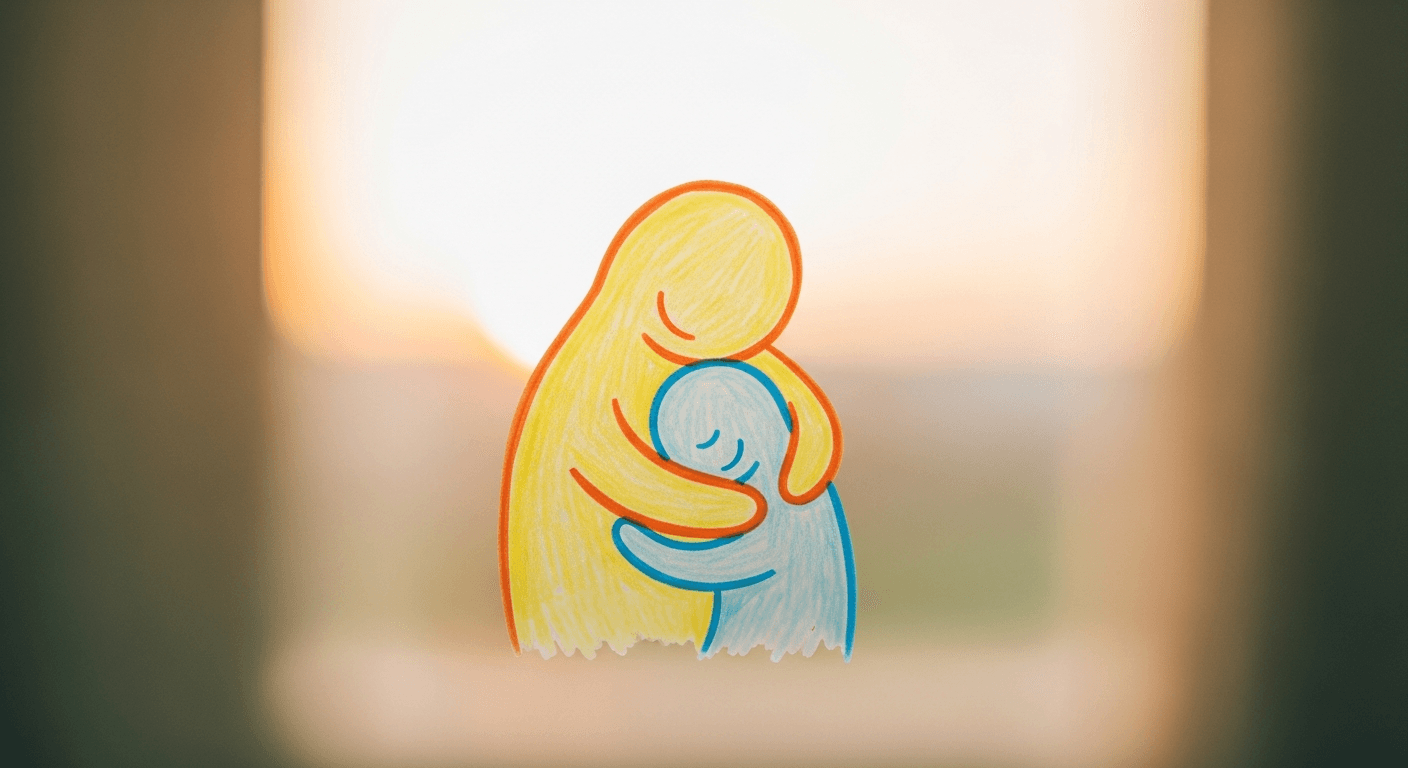
If you are struggling with the effects of trauma, please reach out for support. I offer trauma coaching, brainspotting, and drawing & talking therapy to help you on your healing journey. You don’t have to do this alone.