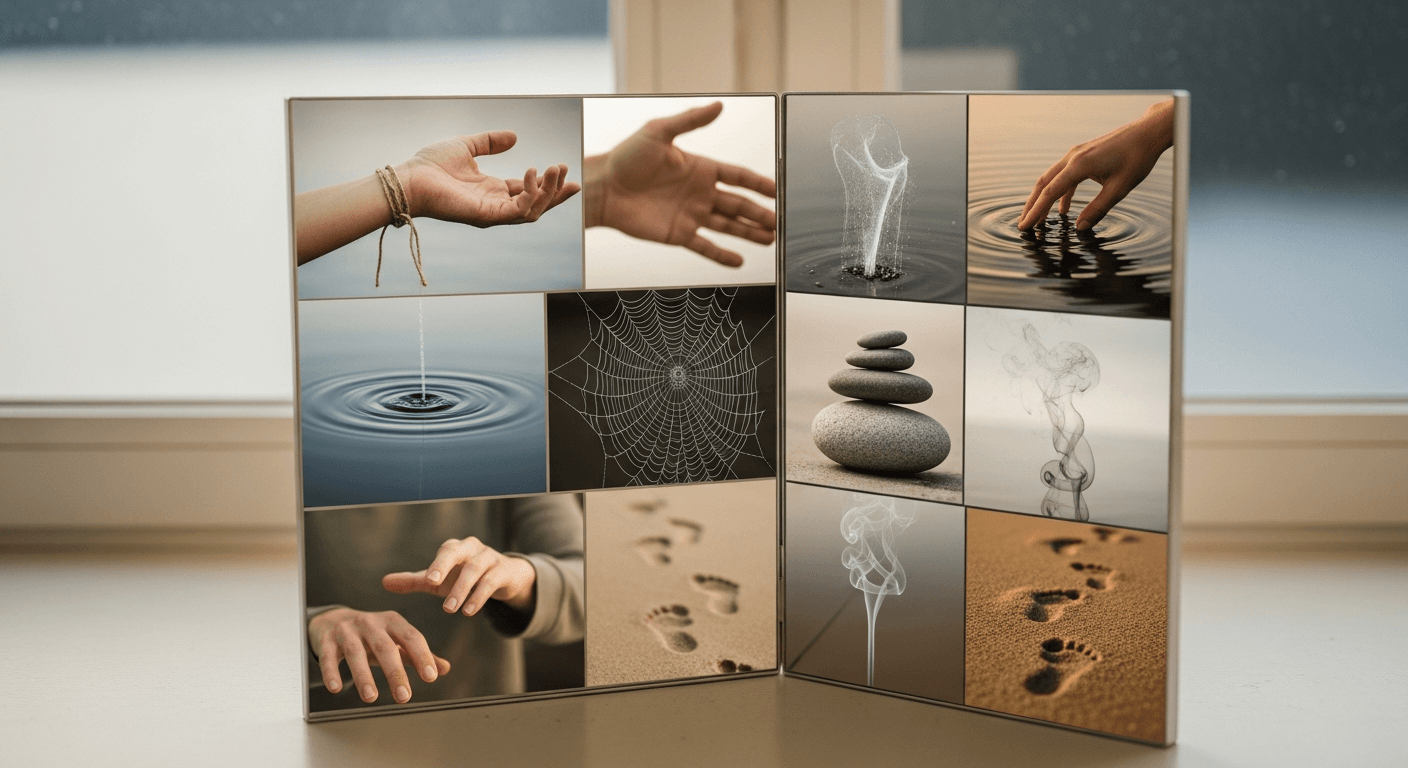
Life often feels like a whirlwind, doesn’t it? Especially when you’re navigating the complexities of healing from trauma or narcissistic abuse. The demands of daily life can feel overwhelming, leaving little room for self-care. Traditional mindfulness practices, like lengthy meditations, can feel daunting, even impossible to fit in. But what if I told you that mindfulness doesn’t have to be a grand, time-consuming affair? What if you could find moments of calm, tiny pockets of peace, woven right into your day?
The truth is, mindfulness is about presence. It’s about noticing the here and now, without judgment. It’s a skill that can be cultivated in the smallest of moments, offering a much-needed respite from the noise and stress. And these micro-moments can add up to something significant, creating a foundation for greater resilience and emotional well-being.
Finding Your Anchor in the Everyday: Grounding Techniques
When feeling overwhelmed, our thoughts tend to race, pulling us away from the present. Grounding techniques can help bring you back to your body and the immediate surroundings. A simple grounding exercise involves using your senses.
For example, the 5-4-3-2-1 technique. Try this: Name 5 things you can see, 4 things you can touch, 3 things you can hear, 2 things you can smell, and 1 thing you can taste. This exercise engages your senses, helping to anchor you in the present moment and reduce feelings of anxiety. You can do this waiting for the kettle to boil, while you’re on the bus, or even during a difficult conversation. It’s discreet and effective.
Another grounding trick is to focus on your feet. Feel the sensation of your feet on the ground. Notice the weight, the temperature, the texture of your socks or shoes. This simple act of paying attention to your feet can be incredibly grounding, connecting you to the earth and bringing you back to the present moment.
The Power of the Pause: Mini Breath Breaks
Our breath is always with us, a constant anchor to the present. Taking a few moments to focus on your breath can be surprisingly powerful. You don’t need to sit in a special position or clear your mind completely. Simply notice the sensation of the air entering and leaving your body.
Try box breathing: Inhale for a count of four, hold for a count of four, exhale for a count of four, and hold for a count of four. Repeat this cycle several times. This simple breathing technique can help regulate your nervous system, reducing feelings of anxiety and promoting a sense of calm. You can do this while waiting in a queue, before a challenging meeting, or any time you feel your stress levels rising. It’s a discreet and effective way to find a moment of peace. Remember, it’s okay if your mind wanders. Gently guide your attention back to your breath each time.
Consider setting a reminder on your phone to take a one-minute breath break every few hours. Even these short moments of focused breathing can make a difference in managing stress and promoting a sense of well-being.

Mindful Moments in Mundane Tasks: Transforming Routine
Many of us rush through our daily tasks on autopilot, barely noticing what we’re doing. By bringing mindfulness to these routine activities, we can transform them into opportunities for calm and presence.
Think about washing the dishes. Instead of rushing through the process, take a moment to notice the warm water on your hands, the scent of the soap, the feel of the dishes. Focus on the task at hand, allowing yourself to be fully present in the moment. This simple shift in perspective can turn a mundane chore into a mindful practice.
Another example is your morning cup of tea or coffee. Instead of gulping it down while rushing to get ready, take a moment to savour the aroma, the warmth of the cup in your hands, the taste of the beverage. Allow yourself to fully experience this simple pleasure. This is a chance to pause, to be present, and to start your day with a moment of calm.

Kindness to Yourself: The Most Important Ingredient
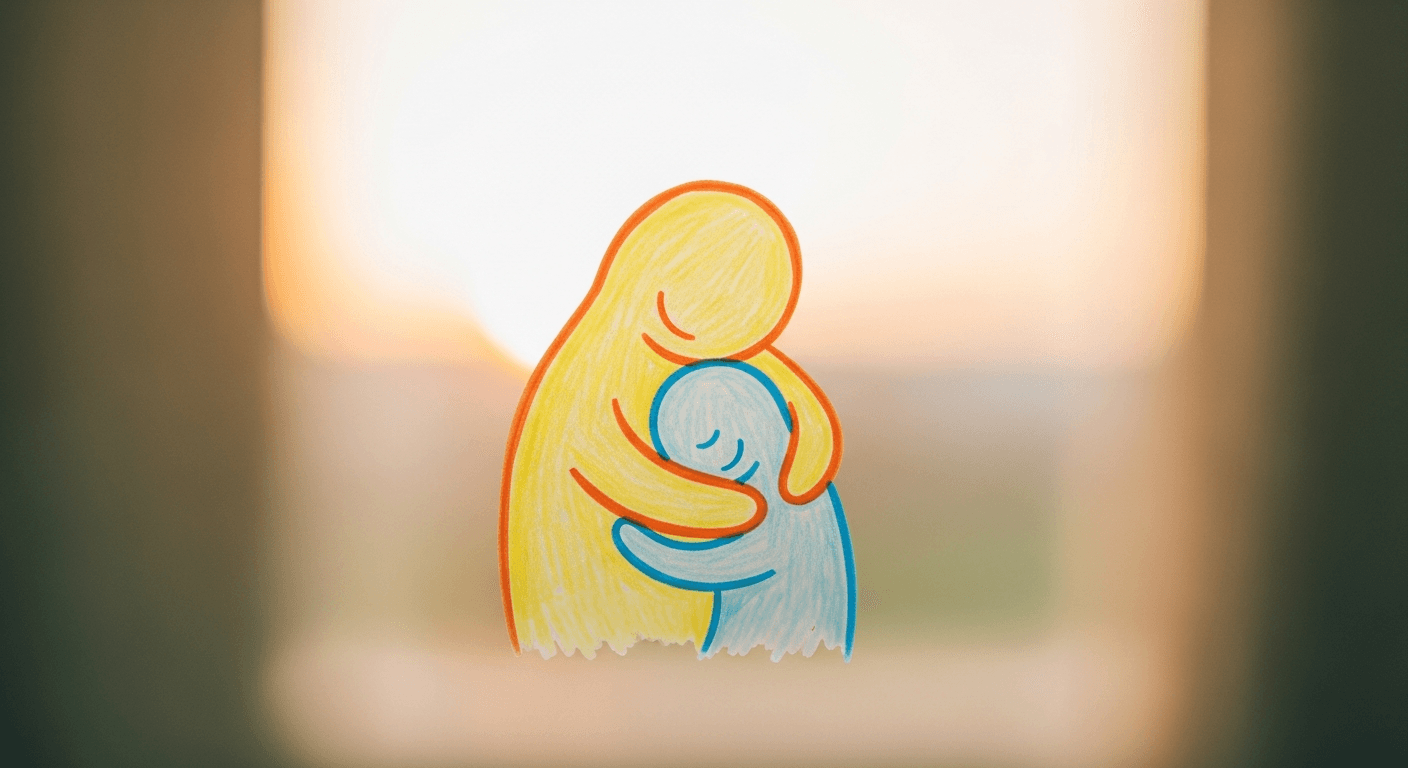
Finally, remember that self-compassion is a crucial element of mindfulness, particularly when you’re healing from trauma or abuse. Be kind to yourself. There will be days when you struggle to find even a moment of calm. That’s okay. It’s part of the process. Don’t judge yourself or get discouraged. Simply acknowledge the difficulty and try again another time.
Mindfulness is not about achieving a perfect state of calm. It’s about cultivating awareness and acceptance of the present moment, with all its challenges and imperfections. It’s about learning to be kinder to yourself, to treat yourself with the same compassion and understanding that you would offer a friend. And with practice, you’ll find that these micro-moments of calm can make a big difference in your overall well-being, helping you navigate the complexities of life with greater resilience and peace. If you are struggling with implementing mindfulness, please reach out for a consultation so we can explore how best to adapt these techniques to your specific needs.