We all know what it feels like: that racing heart, the shortness of breath, the feeling of being utterly overwhelmed. Anxiety can feel like a tidal wave, threatening to pull you under. While talking about our anxieties and understanding their roots is incredibly valuable, sometimes we need immediate, practical tools to help us navigate the physiological experience of anxiety. This is where nervous system regulation comes in.
Your nervous system is essentially your body’s command centre, controlling everything from your breathing to your heart rate to your digestion. When you experience anxiety, your nervous system shifts into ‘fight or flight’ mode, preparing you to respond to a perceived threat. This is a natural and essential response, but when it’s triggered too often or too intensely, it can leave you feeling constantly on edge. The good news is that you can learn to influence this system, gently guiding it back towards a state of calm and balance.
Turning Down the Volume: Understanding Physiological Anxiety
Before we dive into practical techniques, it’s helpful to understand what’s happening in your body during an anxiety episode. Think of it as an alarm system gone haywire. Your amygdala, the part of your brain responsible for processing emotions like fear, sends out signals that trigger a cascade of physiological changes. These changes include the release of stress hormones like cortisol and adrenaline, increased heart rate and blood pressure, rapid breathing, and muscle tension.
By understanding this physiological process, we can begin to target specific aspects of it to bring about a sense of calm. We’re not trying to eliminate anxiety altogether (that’s often unrealistic and unhelpful), but rather to manage its intensity and duration.
Anchoring Yourself: The Power of Grounding
Grounding techniques are simple yet powerful tools that help you reconnect with the present moment and anchor yourself in your body. When anxiety takes hold, you might feel disconnected from your physical sensations, lost in thought, or overwhelmed by emotions. Grounding helps you shift your focus back to your senses, providing a sense of stability and safety.
Here’s a grounding exercise you can try:
- The 5-4-3-2-1 Method: Start by noticing 5 things you can see around you. Really observe them – their colour, shape, and texture. Then, identify 4 things you can touch. Feel their weight, temperature, and surface. Next, notice 3 things you can hear, paying attention to the subtle sounds in your environment. After that, identify 2 things you can smell (if possible, you can use a scented candle or essential oil). Finally, name 1 thing you can taste – this could be the taste of your saliva, a piece of chewing gum, or a sip of water.
This exercise engages your senses and helps to bring you back into the present moment, interrupting the cycle of anxious thoughts.
The Vagus Nerve: Your Body’s Natural Brake
The vagus nerve is the longest cranial nerve in your body, playing a crucial role in regulating your heart rate, digestion, and immune system. It’s also a key player in the ‘rest and digest’ response, helping to counteract the effects of the ‘fight or flight’ response. Stimulating the vagus nerve can promote relaxation and reduce anxiety.
Here are a couple of ways to stimulate your vagus nerve:
- Diaphragmatic Breathing: Also known as belly breathing, this technique involves taking slow, deep breaths that expand your diaphragm. Place one hand on your chest and the other on your abdomen. As you inhale, focus on expanding your abdomen while keeping your chest relatively still. Exhale slowly and completely. Aim for a breathing rate of around six breaths per minute.
- Cold Exposure: Briefly exposing yourself to cold can also stimulate the vagus nerve. This could involve splashing cold water on your face, taking a cool shower, or holding an ice pack on your chest for a few seconds. Start with short bursts of cold and gradually increase the duration as you become more comfortable.

Gentle Movement: Shaking it Off
When anxiety strikes, our bodies often tense up, holding onto the stress and tension. Gentle movement can help to release this pent-up energy and promote relaxation. The key is to choose activities that feel comfortable and soothing, rather than strenuous or overwhelming.
Consider these options:
- Gentle Stretching: Simple stretches like neck rolls, shoulder shrugs, and arm circles can help to release tension in your muscles. Focus on moving slowly and mindfully, paying attention to the sensations in your body.
- Walking in Nature: Spending time outdoors has been shown to reduce stress and improve mood. A gentle walk in a park or forest can be a wonderful way to connect with nature and calm your nervous system. Pay attention to the sights, sounds, and smells around you.
Remember, the goal isn’t to push yourself but to gently encourage your body to release tension and find a sense of ease.
Creating a Calm Oasis: Your Personal Sanctuary
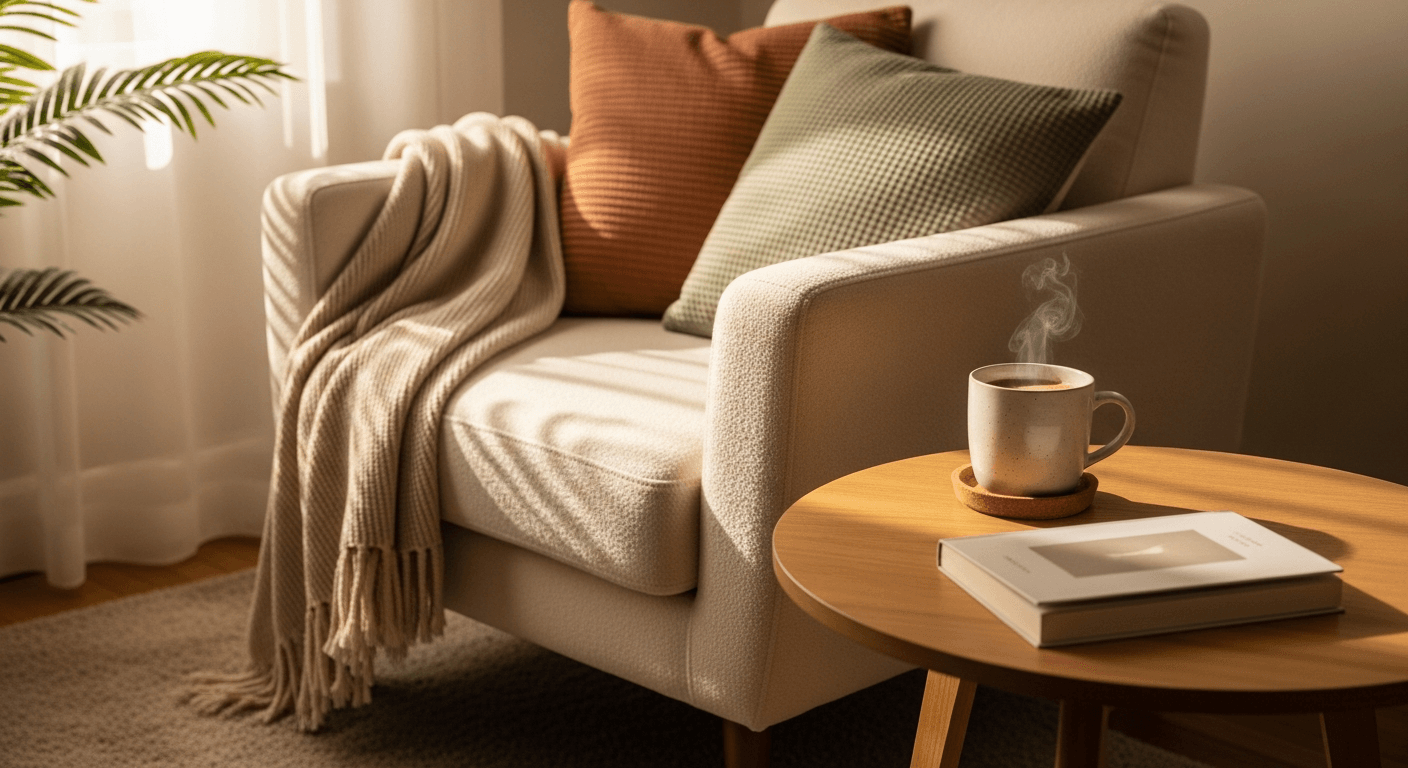
Think about creating a small, dedicated space in your home that you associate with calm and relaxation. This could be a corner of your bedroom, a cosy armchair, or even just a comfortable spot on the sofa. Fill this space with things that bring you joy and comfort, such as soft blankets, calming colours, soothing scents, and inspiring books. When you’re feeling overwhelmed, retreat to your calm oasis and allow yourself to relax and recharge.
Practice, Patience, and Self-Compassion
It’s important to remember that regulating your nervous system is a skill that takes time and practice. Don’t get discouraged if you don’t see results immediately. Be patient with yourself and celebrate small victories along the way. And most importantly, treat yourself with kindness and compassion. Anxiety can be a difficult experience, and you deserve to be gentle with yourself as you learn to navigate it.
These techniques offer a starting point. If anxiety is significantly impacting your life, seeking professional support from a therapist or trauma coach like myself can provide further guidance and support. Remember, you don’t have to navigate this alone.